In modern thermal management and advanced manufacturing, joining technology plays a critical role in product performance and reliability. One of the most innovative and widely used solid-state joining methods today is FSW (Friction Stir Welding).
But what exactly is FSW, and why is it increasingly used in applications such as FSW Liquid Cold Plates, liquid cooling plates, and advanced water cooling plate systems?
Today, cold plates, including custom cold plates, Liquid Cold Plates, and water cooled cold plates, have become essential components in high-performance cooling systems.
In this article, we will explain:
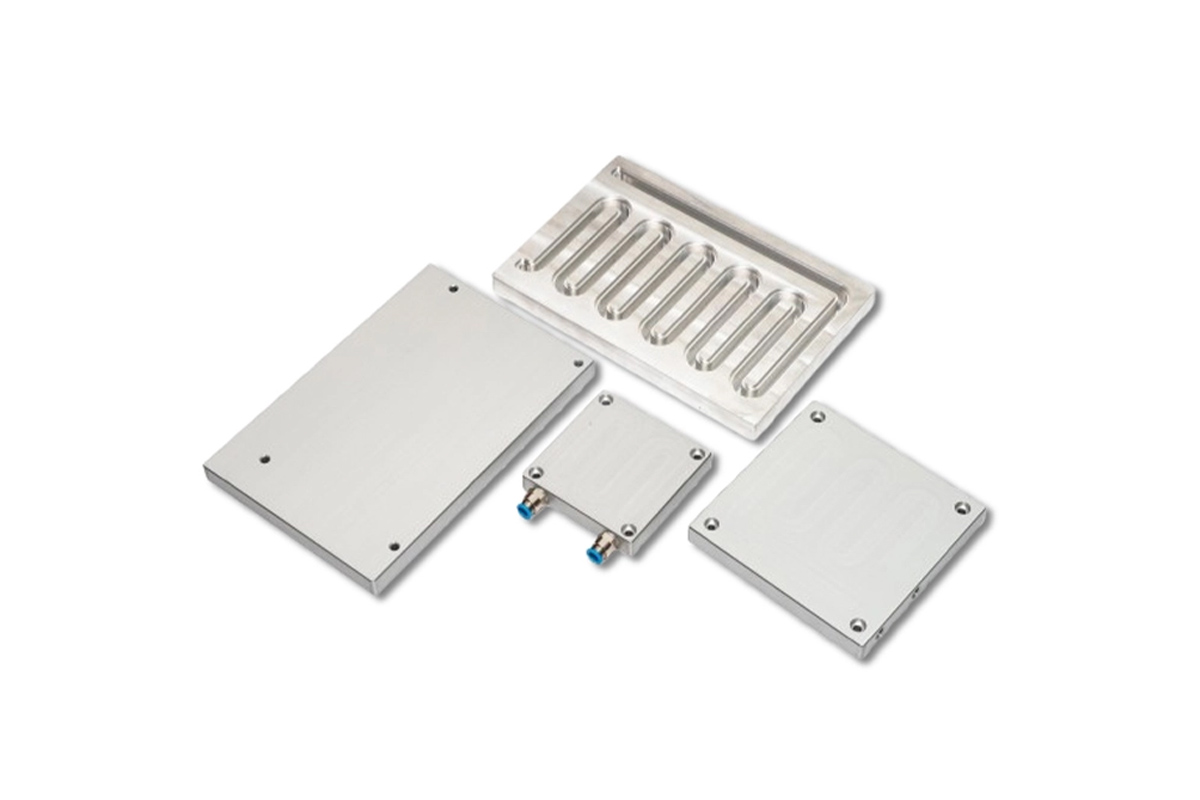
What Is FSW (Friction Stir Welding)?
Friction Stir Welding (FSW) is a solid-state welding process that joins materials without melting them.
Instead of using heat to melt the material (like traditional welding), FSW uses:
A rotating tool
Mechanical pressure
Frictional heat
to soften the material and forge it together.
This process creates a high-quality bond with minimal defects, making it especially suitable for manufacturing liquid cold plates, cooling plates, and water cooling plates used in thermal management systems.
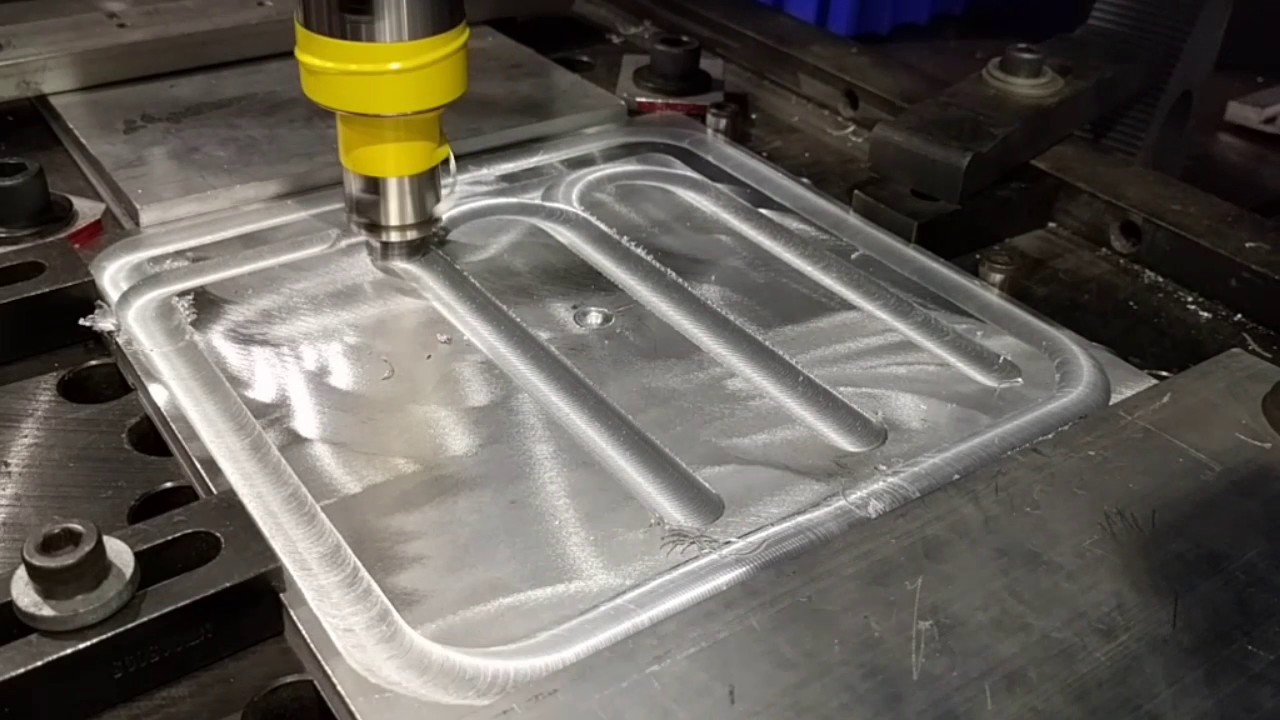
How Does Friction Stir Welding Work?
The FSW process involves several key steps:
1. Tool Rotation
A specially designed rotating tool is inserted into the joint between two materials.
2. Frictional Heating
The rotating tool generates friction, softening the material without melting it.
3. Material Mixing
The softened material is stirred and mixed together.
4. Solid-State Bonding
The material cools and forms a strong, defect-free joint.
Because the material never melts, FSW produces stronger and more reliable joints, which is critical for water cooled cold plates and liquid cooling plates that require high sealing performance.
An FSW liquid cold plate is a high-performance cooling component manufactured using friction stir welding technology.
It is widely used in:
These liquid cold plates can be designed as:
aluminum cooling plate / aluminium cooling plate
aluminium cold plate
large cold plate for industrial systems
custom liquid cold plate for specific applications
The internal channels of the liquid cooling plate are sealed using FSW, ensuring:
Advantages of FSW (Friction Stir Welding)
1. Superior Joint Strength
FSW creates a solid-state bond with stronger mechanical properties.
This is especially important for Custom Cold Plates and large cold plates used in high-power systems.
2. No Melting, No Defects
Because the material does not melt:
No porosity
No cracks
Minimal distortion
This ensures reliability in liquid cold plate and water cold plate applications.
3. Excellent Sealing Performance
FSW provides seamless joints with high sealing quality.
This is critical for water cooling plates and water cooled cold plates, where leakage must be avoided.
4. High Thermal Efficiency
In FSW liquid cold plate manufacturing:
help improve heat transfer efficiency, especially in liquid cooling plate systems.
5. Environmentally Friendly Process
FSW does not require filler material or harmful gases, making it a clean manufacturing method.
6. Ideal for Aluminum Cold Plates
FSW is particularly suitable for:
These materials are widely used due to their balance of cost and thermal performance.
Why FSW Is Ideal for Liquid Cold Plate Manufacturing
Compared to traditional welding methods, FSW offers clear advantages for producing cold plates and cooling plates.
Leak-Free Performance
Ensures tight sealing in water cold plates and liquid cold plates.
Better Structural Integrity
Maintains strength under pressure and thermal cycling, especially for large cold plates.
Improved Heat Transfer
Uniform material improves thermal conductivity in liquid cooling plates.
Customization Capability
Supports complex designs for custom cold plates and custom liquid cold plate solutions.
Applications of FSW Liquid Cold Plates
FSW-based liquid cooling plates are widely used in:
In these industries, cold plates, water cooling plates, and liquid cold plates are essential for maintaining system performance.
FSW vs Traditional Welding
| Feature | FSW (Friction Stir Welding) | Traditional Welding |
|---|
| Process Type | Solid-state | Fusion welding |
| Material Melting | No | Yes |
| Joint Strength | High | Moderate |
| Defects | Minimal | More likely |
| Sealing Performance | Excellent | Depends |
| Suitability for Cold Plates | Excellent | Limited |
How to Choose an FSW Liquid Cold Plate Supplier
When selecting a supplier for FSW liquid cold plates, consider:
Experience in friction stir welding
Capability in manufacturing custom cold plates
Ability to produce aluminum cooling plates / aluminium cooling plates
Design flexibility for custom liquid cold plate solutions
Quality control and testing
A professional manufacturer like KINGKA can provide customized liquid cooling plate solutions for various industries.
So, what is FSW and what are some of its advantages?
FSW is a solid-state welding process
It creates strong, defect-free joints
It is ideal for manufacturing liquid cold plates, cooling plates, and water cooling plates
With advantages such as:
FSW has become a key technology in producing:
custom cold plates
liquid cooling plates
water cooled cold plates
For high-performance cooling applications, FSW liquid cold plates are one of the most reliable and efficient solutions available today.