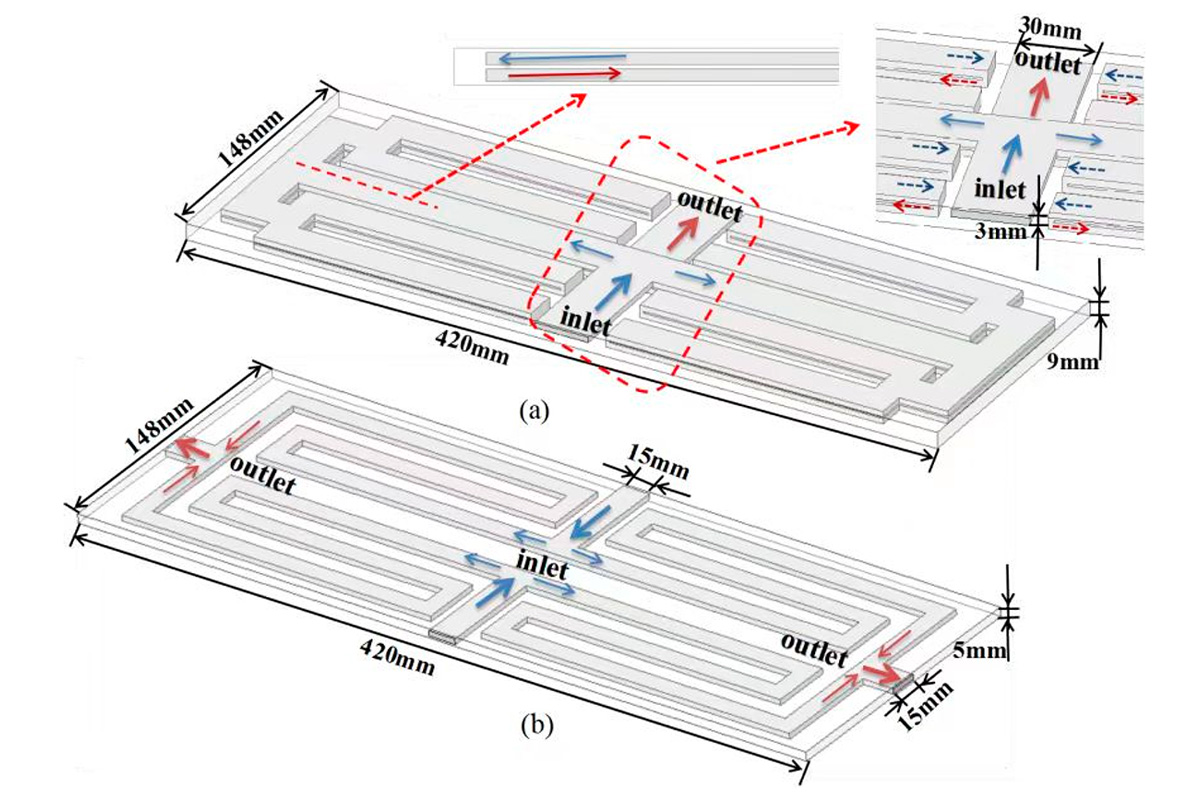
As electronic devices become more powerful and compact, efficient thermal management has become increasingly important. Traditional air cooling methods, such as Heat Sinks and fans, are sometimes not enough to handle high heat loads.
This is where a liquid cooling system comes in. But how does a liquid cooling system work, and why is it more effective than air cooling?
In this article, we will explain:
What a liquid cooling system is
How a liquid cooling system works
Key components such as Liquid Cooling Plates (cold plates)
The advantages and applications of liquid cooling systems
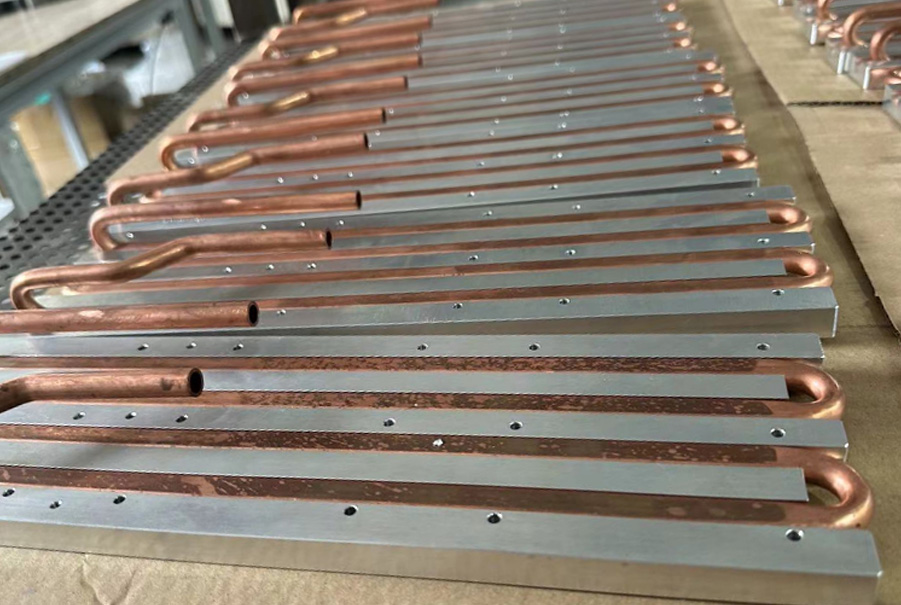
A liquid cooling system is an advanced thermal management solution that uses liquid (usually water or coolant) to absorb and transfer heat away from electronic components.
Compared to air cooling, liquid cooling systems offer:
Higher heat transfer efficiency
Better temperature control
More stable performance in high-power applications
Liquid cooling is widely used in:
Understanding how a liquid cooling system works is key to selecting the right cooling solution.
A typical system operates through a continuous circulation process:
1. Heat Absorption (Cold Plate Stage)
The process begins at the Liquid Cooling Plate, also known as a cold plate.
The cold plate is attached directly to the heat source
Heat is transferred from the component to the cooling plate
Coolant inside the plate absorbs the heat
This stage is critical because the efficiency of the liquid cooling plate directly affects overall performance.
2. Coolant Circulation
Once heated, the coolant flows through a closed loop system driven by a pump.
This circulation allows the system to maintain stable temperatures even under high thermal loads.
3. Heat Dissipation (Radiator Stage)
The heated coolant moves to a radiator or heat exchanger:
After cooling down, the liquid is ready to cycle back.
4. Recirculation
The cooled liquid returns to the cold plate, and the cycle repeats.
This continuous loop allows the system to efficiently transfer and dissipate heat.
A complete liquid cooling system typically includes:
1. Liquid Cooling Plate (Cold Plate)
2. Pump
3. Radiator / Heat Exchanger
4. Coolant
5. Tubing and Connectors
Why Liquid Cooling Is More Efficient Than Air Cooling
Compared to traditional heat sink cooling, liquid cooling offers several advantages:
Higher Thermal Conductivity
Liquids can transfer heat more efficiently than air, enabling faster heat removal.
Better Heat Distribution
Heat can be moved away from the source to another location for dissipation.
Compact Design
Liquid cooling allows for more compact system layouts, especially in high-density electronics.
Lower Noise Levels
Reduced reliance on high-speed fans results in quieter operation.
Liquid Cooling vs Heat Sink: Which Is Better?
| Feature | Liquid Cooling System | Traditional Heat Sink |
|---|
| Cooling Efficiency | Very High | Moderate |
| Heat Transfer Speed | Fast | Slower |
| Suitable for High Power | Yes | Limited |
| System Complexity | Higher | Lower |
| Cost | Higher | Lower |
In general:
Applications of Liquid Cooling Systems
Liquid cooling solutions are widely used in industries that require high thermal performance:
Data centers and servers
Electric vehicles (battery cooling)
Renewable energy systems
Industrial automation equipment
High-performance computing (HPC)
In these scenarios, liquid cooling plates and cold plates play a key role in maintaining system stability.
Choosing the Right Liquid Cooling Solution
When selecting a liquid cooling system, consider:
A professional manufacturer like KINGKA can provide customized liquid cooling plate solutions based on your application needs.
So, how does a liquid cooling system work?
It absorbs heat through a cold plate
Transfers heat using circulating liquid
Releases heat via a radiator
Repeats the cycle continuously
Compared to traditional cooling methods, liquid cooling systems provide superior thermal performance, making them ideal for modern high-power applications.
For industries requiring efficient and reliable cooling, solutions such as liquid cooling plates, cold plates, and custom thermal management systems are becoming the preferred choice.