When it comes to thermal management solutions, choosing the right heat sink design is critical for performance, cost, and reliability. Among the most widely used options,
skived heat sinks and extruded heat sinks are two dominant technologies used across electronics, power systems, and industrial applications.
So, what is the difference between skived and extruded heat sinks? The answer lies in their manufacturing process, thermal performance, fin structure, and application scenarios.
If you are looking for professional thermal solutions, you can explore
custom heat sink solutions provided by Kingka.
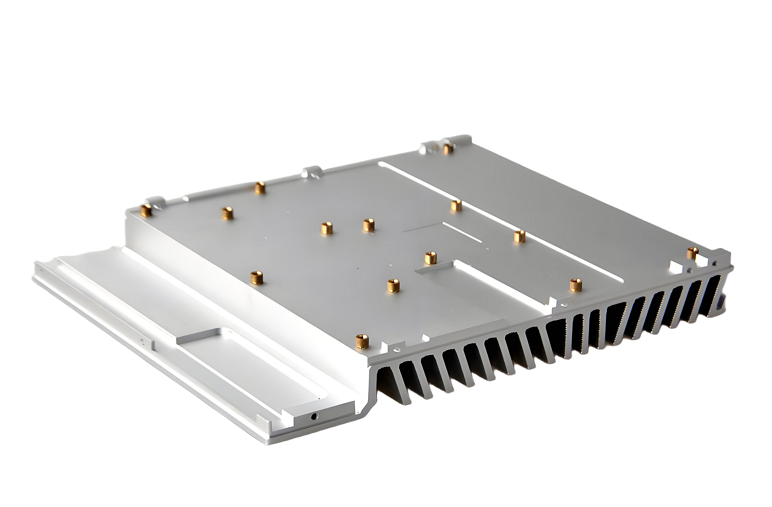
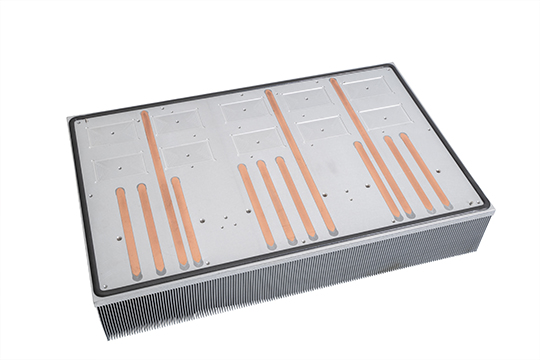 What Is a Skived Heat Sink?
A skived heat sink is manufactured by cutting thin fins directly from a solid metal block such as aluminum or copper, forming a one-piece structure with excellent thermal conductivity.
Learn more about skived solutions: Skived Fin Heat Sink
Because the fins and base are integrated, this design eliminates thermal resistance between components, significantly improving heat transfer efficiency.
Key Features of Skived Heat Sinks
Ultra-thin, high-density fins
Large heat dissipation surface area
Superior thermal performance
Ideal for high-power and compact devices
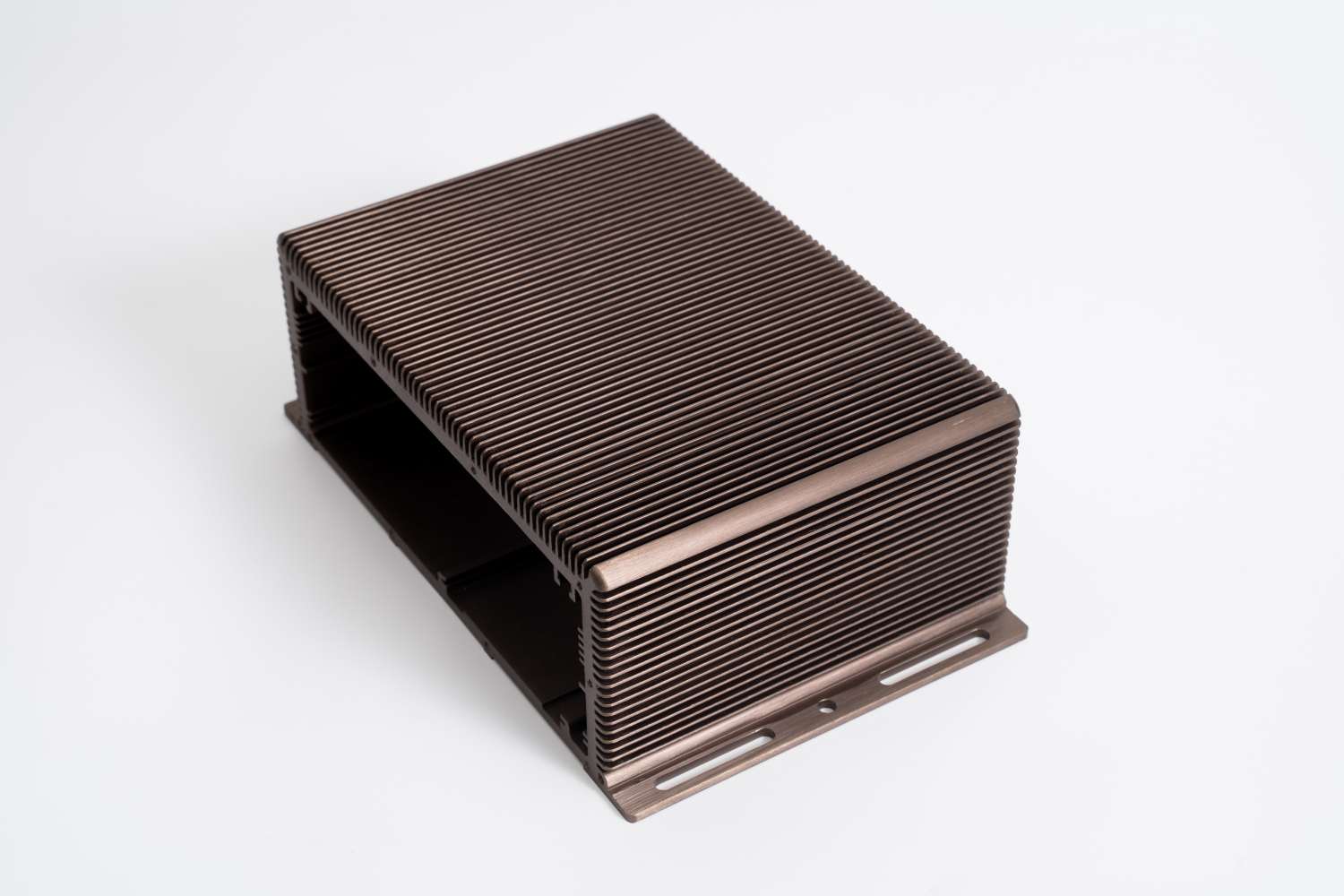 What Is an Extruded Heat Sink?
An extruded heat sink is produced by forcing aluminum through a die to create a continuous profile. It is one of the most cost-effective and widely used heat sink manufacturing methods.
View extruded heat sink products: extruded heat sink
Extruded heat sinks are widely applied in electronics, automotive, and industrial systems due to their stable performance and scalable production.
Key Features of Extruded Heat Sinks
Cost-effective for mass production
Good mechanical strength
Lightweight aluminum structure
Widely used in LED and industrial equipment
Skived vs Extruded Heat Sink: Key Differences
1. Manufacturing Process
2. Thermal Performance
Skived heat sinks provide better thermal efficiency due to higher fin density and no interface resistance, while extruded heat sinks offer stable performance for general applications.
3. Fin Structure & Surface Area
Skived heat sinks allow thinner and denser fins, increasing surface area and improving cooling efficiency.
4. Material Options
5. Cost & Production
Skived: higher cost, high performance
Extruded: lower cost, mass production
Comparison Table: Skived vs Extruded Heat Sinks
| Feature | Skived Heat Sink | Extruded Heat Sink |
|---|
| Manufacturing | Skiving from solid block | Aluminum extrusion |
| Thermal Performance | Very high | Moderate |
| Fin Density | Very high | Limited |
| Surface Area | Larger | Smaller |
| Material Options | Aluminum, Copper | Mostly Aluminum |
| Cost | Higher | Lower |
| Customization | High | Limited |
| Best Use | High power, compact devices | General electronics |
Applications: When to Use Each Type
Skived Heat Sink Applications
For high-performance cooling, check: copper skived heat sink
Extruded Heat Sink Applications
LED lighting systems
Power supplies
Consumer electronics
For cost-effective solutions: aluminum Extrusion Heat Sink parts
Advanced Cooling Solutions
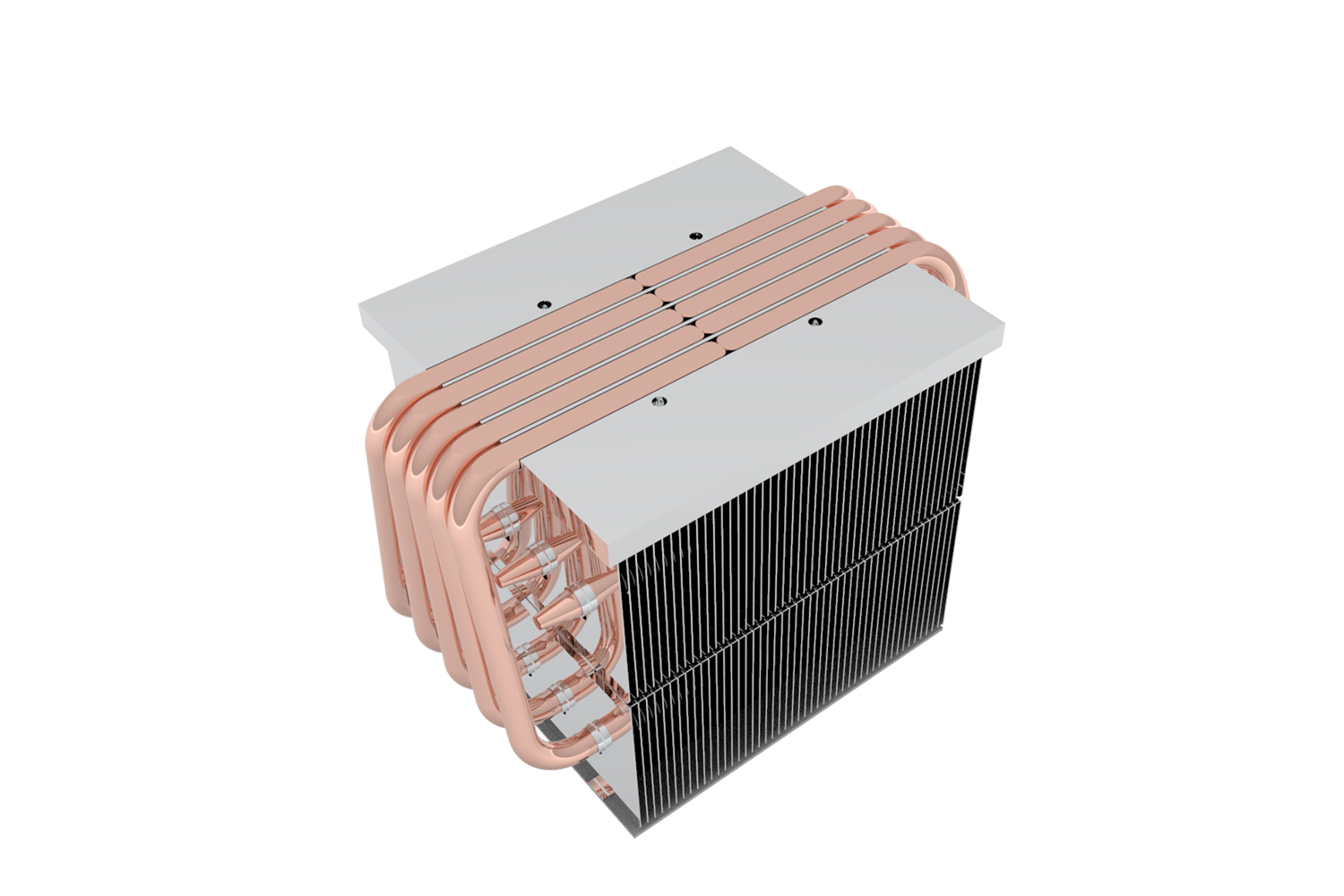
For high heat flux applications, traditional heat sinks may not be enough. In such cases, integrating heat pipes or liquid cooling systems can significantly improve performance.
Explore advanced cooling: heat pipe heat sink
For extreme thermal management: liquid cold plate solutions
How to Choose the Right Heat Sink?
Choose Skived Heat Sink if:
Choose Extruded Heat Sink if:
Why Choose Kingka as Your Heat Sink Manufacturer?
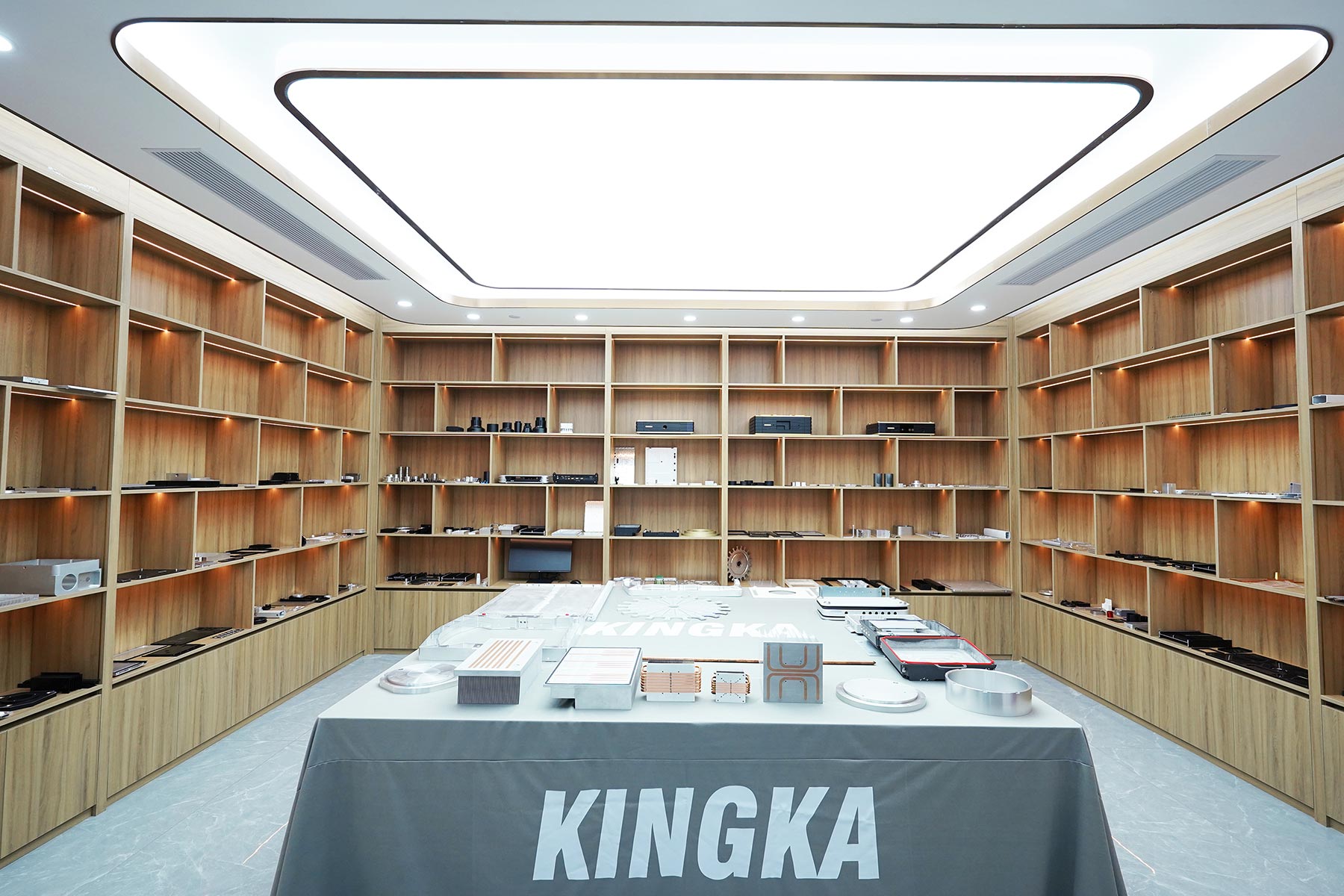
Kingka provides a full range of thermal solutions, including skived heat sinks, extruded heat sinks, Bonded Fin Heat Sinks, cold forging heat sinks, and liquid cooling systems.
Explore full product range: heat sink manufacturer
FAQ
1. Which heat sink has better performance?
Skived heat sinks generally provide better thermal performance due to higher fin density.
2. Are skived heat sinks more expensive?
Yes, due to precision manufacturing processes.
3. Why are extruded heat sinks widely used?
Because they are cost-effective and suitable for mass production.
The difference between skived and extruded heat sinks comes down to performance vs cost.
Choosing the right solution depends on your thermal requirements, space constraints, and budget.