A heat sink plays a critical role in modern electronics by managing heat dissipation and ensuring stable device performance. From CPU heat sink systems in computers to LED heat sink designs in lighting applications, thermal management has become a key factor in product reliability, efficiency, and lifespan. Without an effective cooling solution like a heat sink, electronic components can quickly overheat, leading to performance failure or permanent damage.
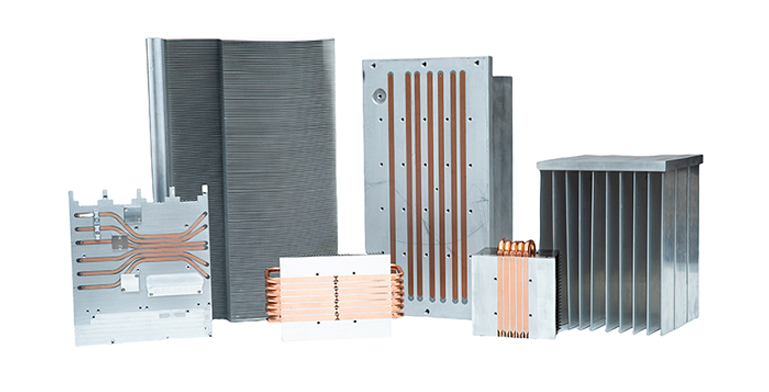
A heat sink is a thermal management component designed to absorb and dissipate heat away from electronic devices. It is widely used in various industries including computing, automotive, LED lighting, and power electronics.
When people search what is a heat sink, they are usually trying to understand its basic structure and purpose. A heat sink typically consists of a metal material with high thermal conductivity, most commonly an aluminum heat sink, due to its excellent balance of weight, cost, and heat dissipation performance.
Common types include:
Each type of heat sink is designed for different heat dissipation requirements and application environments.
 What Is the Purpose of a Heat Sink?
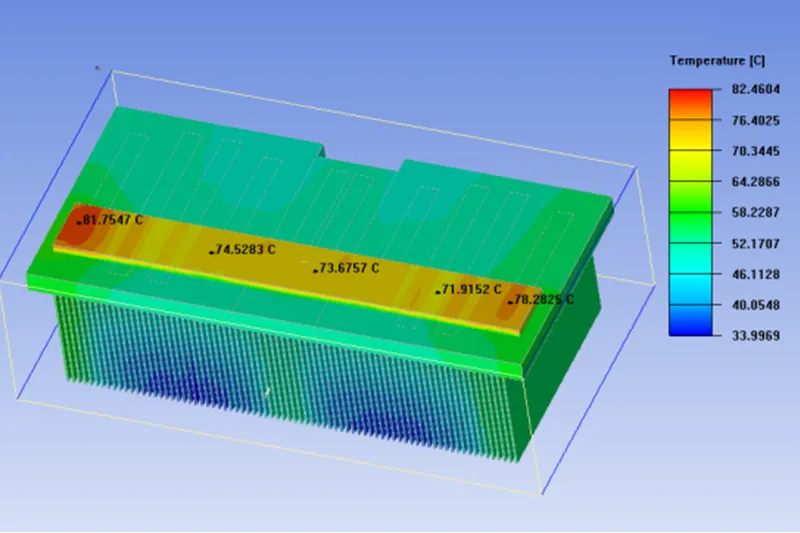
The main purpose of a heat sink is to transfer heat away from a heat-generating component and release it into the surrounding air or cooling medium.
This answers the question what is the purpose of heat sink:
Prevent overheating of electronic components
Improve device stability and performance
Extend product lifespan
Support higher power density designs
Reduce thermal failure risk
In modern electronics, the heat sink function is essential because devices are becoming smaller while generating more heat. Without proper thermal management, system failure becomes unavoidable.
 How Does a Heat Sink Work?
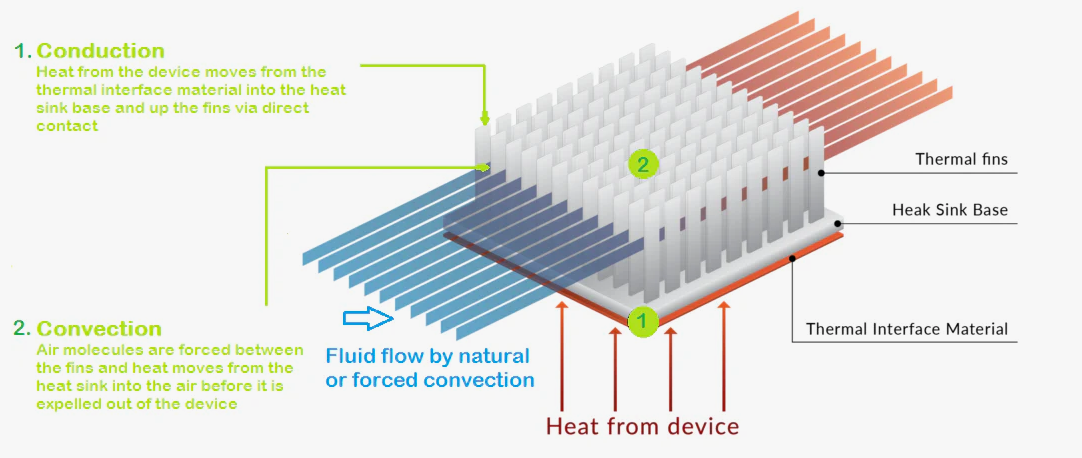
To understand how does a heat sink work, we need to look at the basic principle of heat transfer.
A heat sink works by:
Absorbing heat from the electronic component (CPU, LED, power module, etc.)
Spreading the heat across its surface
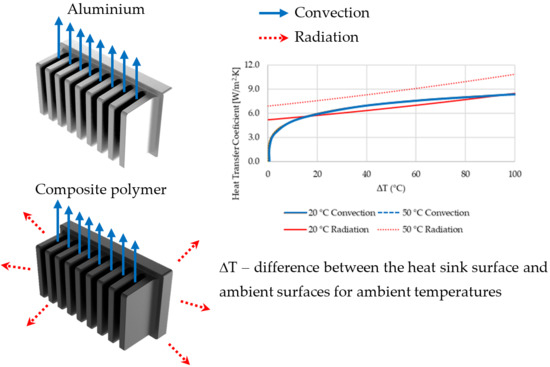
Dissipating heat into the air through natural or forced convection
In many cases, a CPU heat sink or electronic heat sink is combined with thermal paste or heat pipes to improve heat conduction efficiency.
This process is part of a complete thermal management system, which may also include fans, liquid cooling, or advanced heat pipe thermal modules.
Why Is a Heat Sink Important in Electronics?
The importance of a heat sink becomes clear when considering what happens without proper cooling.
Modern devices such as CPUs, GPUs, LED modules, and power systems generate significant heat during operation. Without an efficient cooling solution, temperature rises quickly, causing:
This is why heat dissipation is a critical engineering requirement.
A well-designed aluminum heat sink ensures stable operation even under high load conditions. In LED systems, for example, an efficient LED heat sink directly affects brightness stability and lifespan.
Types of Heat Sinks and Their Applications
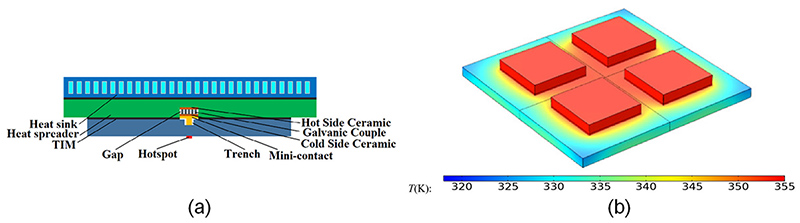
Different applications require different heat sink designs. Leading aluminium heat sink manufacturers offer a wide range of solutions based on performance needs.
One of the most common and cost-effective solutions, widely used in industrial electronics.
Provides higher surface area and improved thermal performance, ideal for high-power density applications.
Bonded Fin Heat Sink
Used when extreme heat dissipation is required in compact spaces.
Cold Forging Heat Sink
Offers excellent structural strength and thermal conductivity.
Heat Pipe Thermal Module
Combines heat pipes with fin structures for advanced thermal management systems.
Die Casted Heat Sink
Suitable for mass production and complex shapes in consumer electronics.
Custom Heat Sink Solutions for Industrial Applications
Many industries require tailored thermal solutions. A custom heat sink or custom aluminum heatsink is designed based on specific parameters such as:
A professional heat sink aluminium extrusion process allows manufacturers to produce customized profiles for different applications, especially in high-volume production environments.
Working with experienced aluminium heat sink manufacturers ensures better thermal efficiency, lower failure rates, and optimized cost performance.
A heat sink is an essential component in modern electronic systems, ensuring effective heat dissipation and stable performance. Whether it is a CPU heat sink in computers, an LED heat sink in lighting, or an industrial electronic heat sink in power systems, its role in thermal management cannot be ignored.
As devices continue to evolve toward higher power density and smaller form factors, advanced cooling solutions such as skived fin heat sinks, heat pipe modules, and custom aluminum heatsinks will become even more important in future electronic design.