
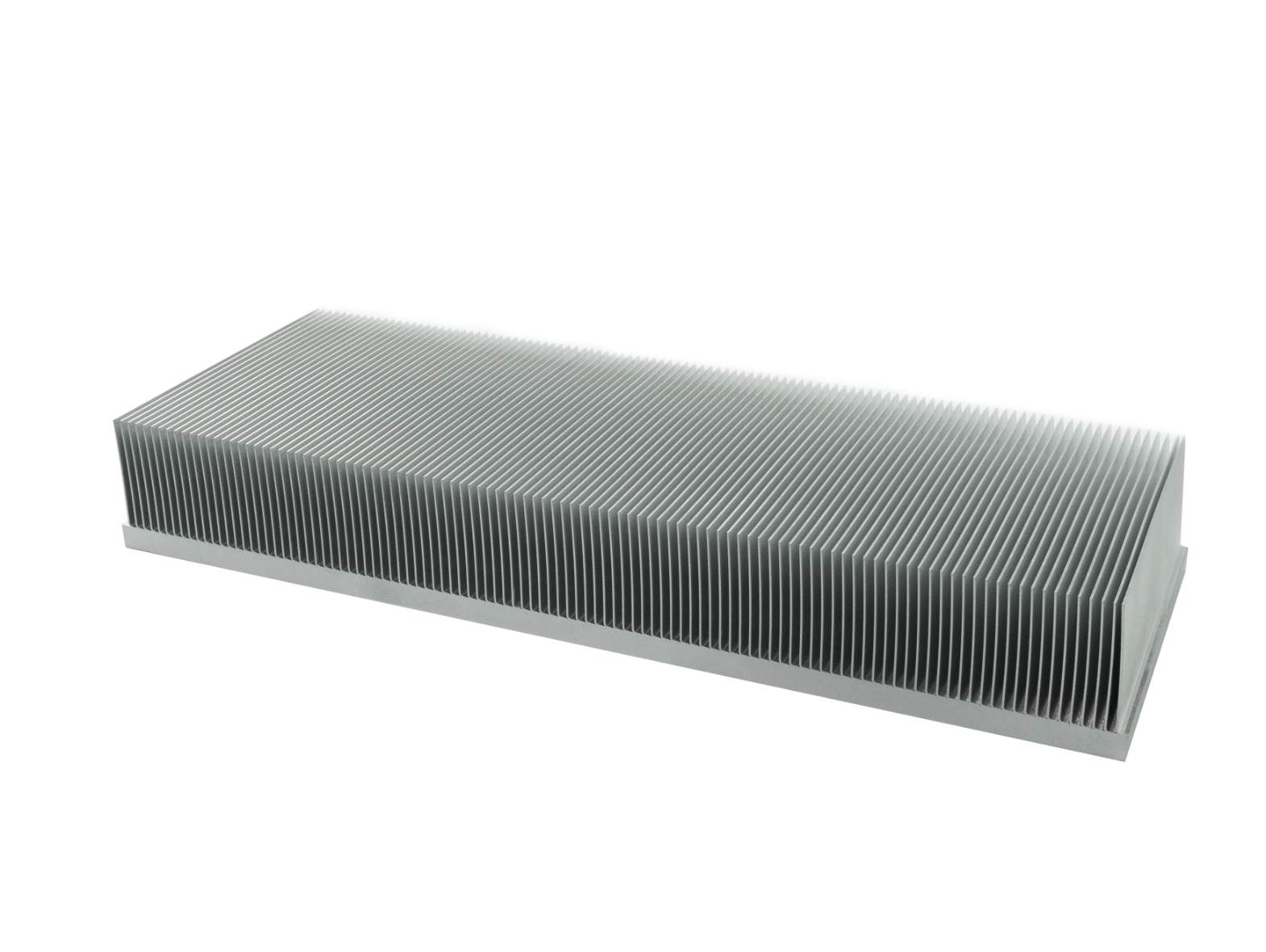
A thermally conductive heat sink is a thermal management device that absorbs heat from electronic components and transfers it to the surrounding environment through conduction, convection, and radiation. It is commonly manufactured from aluminum, copper, or composite materials with excellent thermal conductivity.
In high-performance systems, the heat sink is often combined with thermally conductive adhesive tape for heat sinks, which improves thermal transfer between the heat source and the heat sink by minimizing air gaps and contact resistance.
The cooling process consists of three primary stages:
The heat sink is mounted directly onto a heat-generating component such as a processor, LED chip, or power transistor. Heat is transferred through direct contact or with the help of thermally conductive adhesive tape for heat sinks or thermal interface materials (TIMs).
The heat is rapidly distributed throughout the heat sink body using materials with high thermal conductivity, such as aluminum or copper.
The absorbed heat is released into the surrounding environment through:
Natural convection
Forced-air cooling
Liquid cooling systems
Thermal radiation
The addition of fins significantly increases the cooling surface area, improving overall heat transfer efficiency.
A Skived Fin Heat Sink is manufactured using advanced heat sink skiving technology. During the process, thin layers of metal are cut and lifted from a solid metal block to form high-density fins.
Benefits include:
Higher fin density
Larger cooling surface area
Lower thermal resistance
Improved cooling efficiency
Because the fins and base are formed from a single piece of material, a skived heat sink eliminates interface resistance and maximizes thermal performance.
Extruded heat sinks are produced through aluminum extrusion and are commonly used in:
LED lighting
Industrial controls
Power supplies
These heat sinks use individually attached fins, providing flexibility in fin geometry and design.
For high-power applications, liquid cooling systems circulate coolant through integrated channels to remove large amounts of heat efficiently.
A thermally conductive heat sink rapidly transfers heat from sensitive electronic components, reducing operating temperatures and improving performance.
Advanced designs such as skiving heat sink structures create dense fin arrays that maximize airflow and heat transfer.
Lower temperatures reduce thermal stress on electronic components, minimizing the risk of premature failure.
Efficient passive cooling reduces dependence on fans, lowering energy consumption and operational noise.
High-quality aluminum and copper materials offer excellent resistance to oxidation and corrosion, ensuring long service life.
Manufacturers can customize:
Fin height and thickness
Heat sink dimensions
Mounting features
Surface treatments
Cooling methods
Compared with traditional cooling solutions, a skived heat sink offers several advantages:
| Feature | skived fin heat sink | Traditional Extruded Heat Sink |
|---|---|---|
| Fin Density | Higher | Lower |
| Surface Area | Larger | Smaller |
| Thermal Resistance | Lower | Higher |
| Heat Transfer Efficiency | Excellent | Good |
| High-Power Applications | Ideal | Limited |
The heat sink skiving process enables the creation of extremely thin and closely spaced skived fin structures, making it one of the most efficient air-cooling solutions available.
High-performance processors generate substantial heat during operation. A thermally conductive heat sink ensures stable temperatures for:
Gaming systems
AI computing platforms
Deep learning servers
Data centers
Common applications include:
IGBT modules
Inverters
Motor controllers
Power conversion systems
Heat sinks help improve LED efficiency and lifespan in:
Street lights
Industrial lighting
Automotive lighting
Commercial displays
Reliable cooling is essential for:
5G base stations
Routers
Switches
Optical communication systems
Used in:
Solar inverters
Battery management systems (BMS)
Energy storage equipment
EV charging systems
The rapid growth of artificial intelligence, cloud computing, and high-performance data processing has dramatically increased heat generation in modern processors. AI accelerators, GPUs, and server CPUs require advanced thermal management to maintain peak performance.
A thermally conductive heat sink, particularly a skived fin heat sink, provides efficient cooling by rapidly transferring and dissipating heat generated during intensive workloads. This prevents thermal throttling, improves system stability, and supports continuous high-performance operation.
A Thermally Conductive Heat Sink is an essential component for modern thermal management systems. Whether utilizing traditional aluminum designs or advanced skived heat sink technology, these cooling solutions effectively transfer and dissipate heat from critical electronic components.
With advantages such as high thermal conductivity, excellent cooling efficiency, durability, and customization flexibility, thermally conductive heat sinks are widely used in AI servers, communication equipment, power electronics, LED lighting, renewable energy systems, and industrial applications. Combined with thermally conductive adhesive tape for heat sinks, they provide a reliable and efficient solution for maintaining optimal operating temperatures and maximizing equipment lifespan.

Kingka Tech Industrial Limited
We specialize in Heat Sink、Liquid Cold Plate、precision CNC machining and our products are widely used in telecommunication industry, aerospace, automotive, industrial control, power electronics, medical instruments, security electronics, LED lighting and multimedia consumption.


Address:
Da Long New Village, Xie Gang Town, Dongguan City, Guangdong Province, China 523598
Email:
WhatsAPP: