
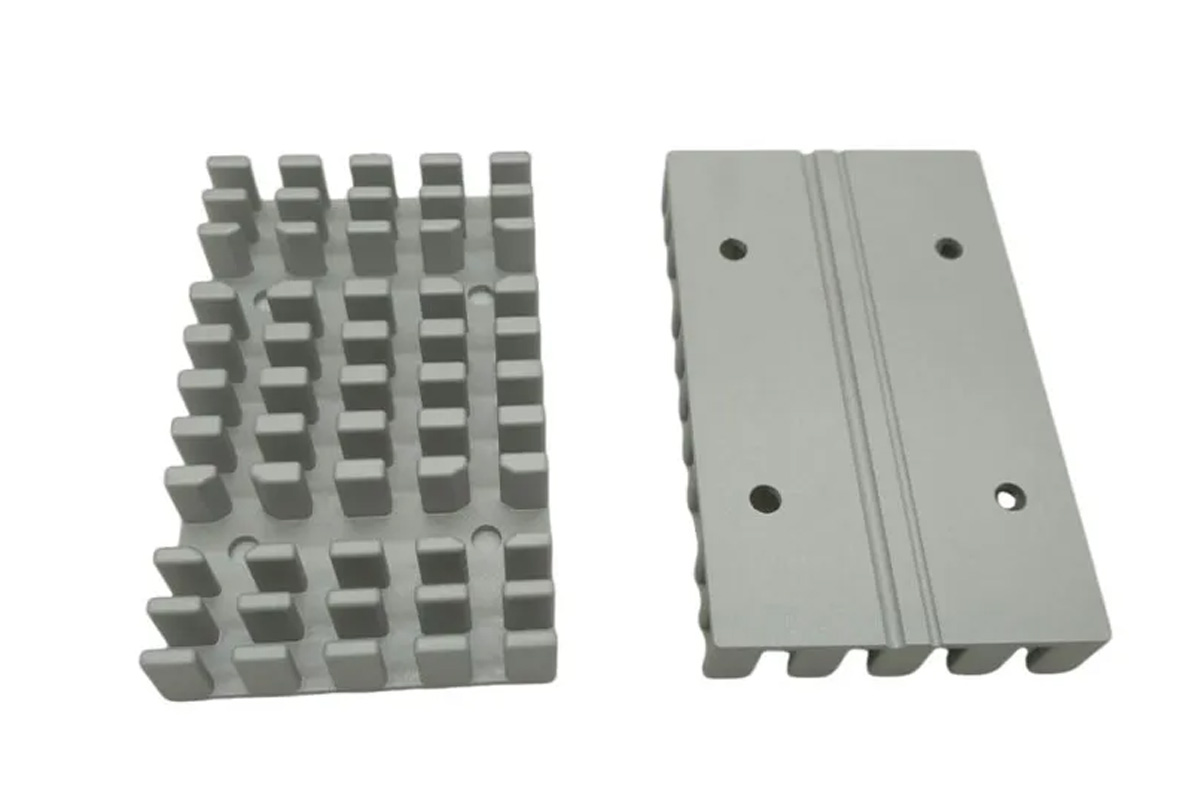
An aluminum die casting heat sink is designed to dissipate heat from electronic components, power systems, and industrial equipment. Manufactured through a high-pressure die casting process, it combines aluminum's thermal conductivity with the flexibility to create complex shapes, integrated fins, and mounting structures.
As a custom Aluminum Die Casting Heat Sink manufacturer, KINGKA provides OEM and ODM solutions based on customer drawings, product specifications, and thermal management requirements.
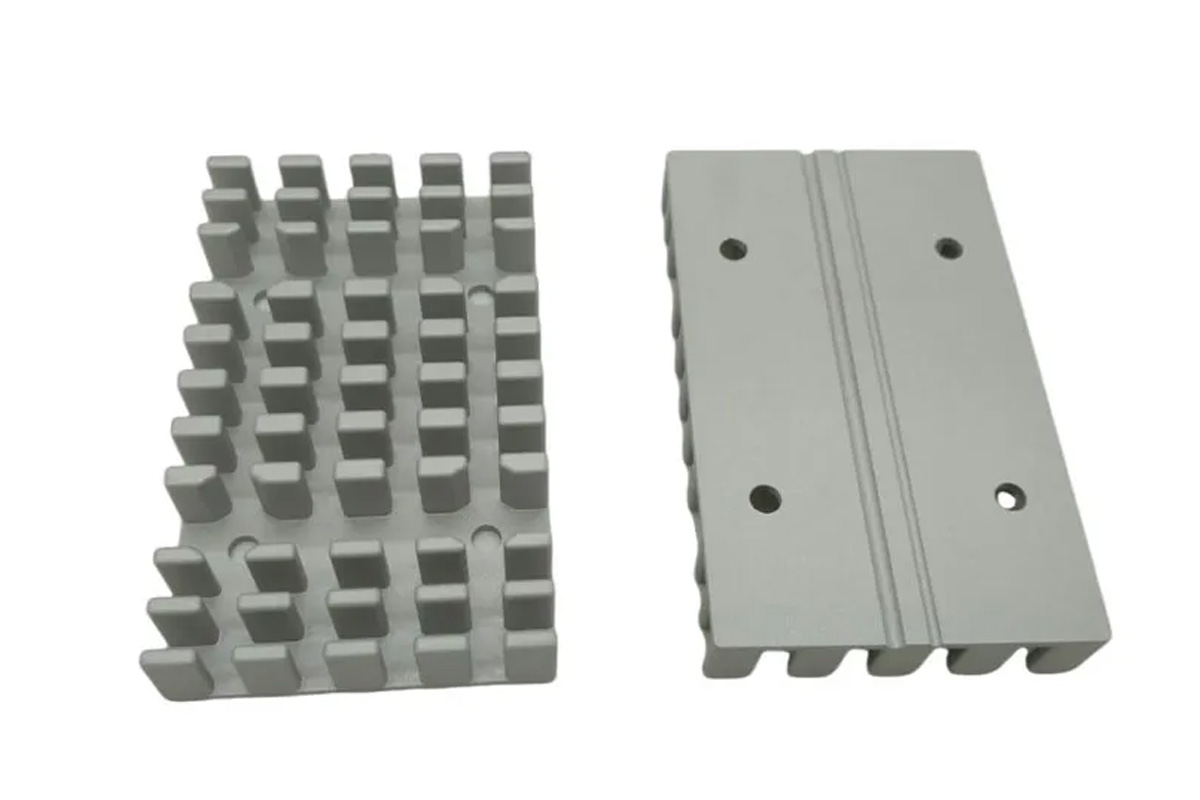
Aluminum die casting heat sinks are manufactured by injecting molten aluminum alloy into a precision mold under high pressure. This process produces components with consistent shapes and integrated structural features, making them suitable for a wide range of thermal management applications.
KINGKA supports customized heat sink designs in different sizes and configurations, with secondary machining and surface finishing options available according to project requirements.
Aluminum alloys offer good thermal conductivity. With an appropriately designed fin structure and sufficient surface area, an aluminum die casting heat sink helps transfer heat away from electronic components and supports stable operating temperatures.
The die casting process allows manufacturers to integrate fins, mounting bosses, ribs, and other structural features into a single component. This can reduce additional assembly requirements and simplify product installation.
Aluminum provides a favorable balance of weight, strength, and thermal performance. Aluminum die cast heat sinks are suitable for applications requiring compact cooling components and efficient space utilization.
Once the mold is developed, aluminum die casting supports consistent medium- and high-volume production. It is particularly suitable for projects requiring repeatable component dimensions and complex geometries.
Depending on the selected alloy and application, surface finishing options may include powder coating, painting, or other suitable treatments. The appropriate finish depends on corrosion resistance, appearance, and operating requirements.
Item | Description |
|---|---|
Product Type | Aluminum die casting heat sink |
Manufacturing Process | High-pressure die casting |
Material | Aluminum alloys, such as ADC12 or A380 |
Design | Custom fins, base plates, ribs, and mounting features |
Secondary Processing | CNC machining, drilling, tapping, and deburring |
Surface Treatment | Powder coating, painting, or other suitable finishes |
Customization | OEM and ODM |
Design Files | 2D drawings or 3D CAD files |
Final material selection, dimensions, tolerances, and surface treatments depend on the customer's design and application requirements.
Custom aluminum die casting heat sinks are widely used in electronic and industrial thermal management systems.
Die-cast aluminum heat sinks can be used in power supplies, inverters, power conversion equipment, and other systems that generate heat during operation.
These heat sinks can support thermal management in electronic control units, power modules, and vehicle electrical systems, subject to the specific design and operating conditions.
Communication devices, network equipment, and signal processing systems may use aluminum heat sinks to manage heat and support reliable operation.
Motor drives, industrial controllers, and automation equipment can benefit from custom heat sinks designed around their mounting space and cooling requirements.
Aluminum die casting heat sinks can be incorporated into LED lighting equipment, LED drivers, solar inverters, and other power management systems.
The manufacturing process begins with a review of the customer's drawings, dimensions, installation requirements, and thermal management needs. Design considerations include fin geometry, wall thickness, mounting points, and mold feasibility.
A precision mold is developed according to the component geometry and production requirements. Proper mold design helps achieve consistent part quality and efficient production.
Molten aluminum alloy is injected into the mold under high pressure to form the heat sink structure. The component is then removed after solidification and prepared for subsequent processing.
CNC machining can be used for critical surfaces, mounting holes, and threaded features where required. Deburring and the selected surface treatment are completed according to the agreed specifications.
Finished heat sinks are inspected against technical drawings and project requirements. Dimensional checks and additional performance tests can be arranged when specified.
KINGKA provides custom thermal management components for electronic and industrial applications. Our OEM and ODM services help customers develop heat sinks that meet their structural, installation, and production requirements.
Custom Design Support: Manufacturing based on customer drawings and 3D models.
Integrated Die Casting Solutions: Production of complex geometries and mounting structures.
Secondary Machining: CNC machining for specified dimensions and assembly features.
Flexible Finishing Options: Surface treatments selected according to material compatibility and application needs.
Application-Based Customization: Solutions tailored to different equipment designs and production volumes.
Whether you need a compact heat sink for an electronic enclosure or a customized cooling component for industrial equipment, selecting the right material and structure is essential for achieving the required thermal performance.
Contact KINGKA to discuss your custom aluminum die casting heat sink project and request a solution tailored to your application.
Common aluminum die-casting alloys include ADC12 and A380. The most suitable material depends on thermal requirements, casting complexity, mechanical properties, and the operating environment.
Yes. Dimensions, fin structures, base geometry, mounting holes, and other features can be customized according to customer drawings and application requirements.
Yes. Aluminum die casting is suitable for medium- and high-volume production once the mold and manufacturing process are established. Initial tooling costs should be considered when evaluating the total project cost.
Die casting is suitable for complex shapes with integrated mounting features, while extrusion is often used for heat sinks with continuous fin profiles. The appropriate process depends on thermal requirements, design complexity, production volume, and budget.

Kingka Tech Industrial Limited
We specialize in Heat Sink、Liquid Cold Plate、precision CNC machining and our products are widely used in telecommunication industry, aerospace, automotive, industrial control, power electronics, medical instruments, security electronics, LED lighting and multimedia consumption.


Address:
Da Long New Village, Xie Gang Town, Dongguan City, Guangdong Province, China 523598
Email:
WhatsAPP:
